




Follow Us


insights
November 25
Your First Resume: How to Turn Everyday Experiences Into Career Opportunities


Key Takeaways
- Experience comes in many forms. School projects, sports, volunteering, and everyday responsibilities can all demonstrate valuable workplace skills.
- Highlight your transferable skills. Employers value reliability, communication, teamwork, initiative, and a willingness to learn.
- Build confidence beyond the resume. Practicing an elevator pitch can help you make a strong first impression with potential employers.
Table of contents
What high school students should know about building a resume, recognizing their strengths, and preparing for their first job.
Landing your first job can feel like a catch-22: You need experience to get hired, but how do you gain experience when no one has hired you yet?
It’s a challenge many high school students face as they begin exploring the workforce. But here’s something worth knowing: You don’t need years of employment history to create a strong first resume. You just need to know how to recognize and communicate the experience you already have.
Employers hiring for entry-level positions understand that students are still developing their professional skills. They’re often looking for qualities like reliability, communication, teamwork, responsibility, initiative, and a willingness to learn.
The good news? Many of these qualities are developed long before someone receives their first paycheck.
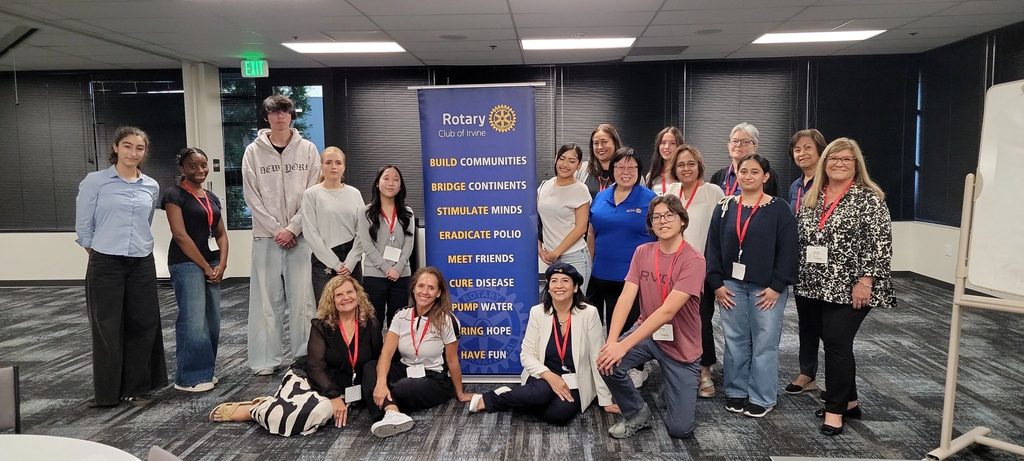
This was one of the key messages shared by Dawson & Dawson CEO Kathy Dawson, and Director Gina Brehmer during a recent resume-building workshop for local high school students through Career Pathways, a free workforce readiness program created by California Assemblywoman Cottie Petrie-Norris.
Volunteering their time and recruiting expertise, Kathy and Gina helped students understand how to build a professional first resume, identify transferable skills, and approach their job search with greater confidence.
Here’s a closer look at some of the lessons that can help students take their first steps toward career success.
You Have More Experience Than You Think!
One of the biggest misconceptions about building a first resume is that experience only counts if it comes from a paid job. In reality, employers can learn a lot about a candidate from activities outside the workplace.
Even without a traditional job history, students have valuable skills and experiences worth highlighting. School projects, sports, volunteering, clubs, babysitting, and family responsibilities can all demonstrate qualities employers look for in future employees.
The workshop helped students recognize these strengths and learn how to turn everyday experiences into a professional resume that makes a positive first impression.
Key takeaways from the workshop included:
- Recognize what employers value. Employers hiring students aren’t necessarily looking for years of experience. They’re looking for reliability, a positive attitude, teamwork, communication, responsibility, initiative, and a willingness to learn. Demonstrating these qualities can be just as important as previous employment.
- Turn everyday activities into meaningful experience. Playing on a sports team demonstrates commitment, discipline, and teamwork. Volunteering shows community involvement and responsibility. School projects highlight collaboration, organization, and problem-solving. Even babysitting can demonstrate trustworthiness, time management, and accountability.
- Show your accomplishments, not just your activities. Students learned a simple formula for writing effective resume bullet points: Action + Skill + Result. Rather than saying, “I helped with a fundraiser,” a stronger example would be, “Helped organize a school fundraiser for 200 students.” Specific examples help employers understand what a student contributed and accomplished.
- Make a strong first impression. A resume should be clean, professional, and easy to read. Students learned how to organize their contact information, education, relevant experiences, skills, and achievements into a concise, one-page document. Consistent formatting, a professional email address, and careful proofreading can make a big difference.
- Use AI as a tool, not a substitute for authenticity. With AI becoming increasingly common, Kathy and Gina emphasized the importance of using it responsibly. AI can help improve grammar, strengthen action words, and suggest formatting, but it should never invent accomplishments, exaggerate abilities, or replace a student’s own voice. Your resume should always be an honest reflection of who you are and what you can do.
Perhaps the most valuable lesson was that a first resume isn’t about how many jobs you’ve held. It’s about showing what you’ve learned, what you can contribute, and your potential to grow.
Investing in the Next Generation of Talent
For Kathy and Gina, participating in Career Pathways was an opportunity to share the knowledge they’ve gained through years of working in the recruiting industry and help students recognize their own potential.
A special thank-you to Assemblywoman Cottie Petrie-Norris for creating this valuable program and bringing together community professionals committed to preparing local students for the workforce. We’re also grateful to Anabella Bonfa, the Rotary Club of Irvine and the participating Rotary clubs for volunteering their time and helping students develop essential communication and career-readiness skills.
At Dawson & Dawson, we understand that every career journey starts somewhere. Whether we’re helping an experienced professional take the next step, supporting a company through an important hire, or encouraging a student preparing for their first job, we believe recognizing potential is where opportunity begins.
We’re proud that Kathy and Gina could contribute their expertise to an event that helps young people build confidence, develop practical skills, and take meaningful steps toward their futures.
Because a successful career doesn’t start with a perfect resume. It starts with recognizing what you have to offer.
If you are looking for new opportunities you may contact us here.
A high school student’s resume should include contact information, education, relevant activities, volunteer experience, skills, and any accomplishments or certifications. You can also include school projects, leadership roles, and extracurricular activities that demonstrate your abilities. Keep the layout clean, professional, and easy to read. For most students, a one-page resume is sufficient.
Focus on demonstrating what you’ve accomplished rather than simply listing activities. Use action words, provide specific examples, and highlight the skills you developed through your experiences. For example, instead of saying you participated in a school fundraiser, explain how you helped organize it, collaborated with others, or contributed to its success. Specific details help employers recognize your potential.
AI can be a helpful tool when creating a resume. Students can use it to improve grammar, strengthen action words, organize information, and suggest professional formatting. However, AI should never invent accomplishments, exaggerate abilities, or misrepresent experience. Your resume should accurately reflect your skills, responsibilities, and personal accomplishments. Use AI to improve your presentation, not replace your own voice.
- Career Coach (9)
- Employee Retention (5)
- General (12)
- In the News (7)
- Job Seeking Tips/Resources (23)
- Office Insights (6)
- President’s Corner (2)
- Recruiting & Staffing (12)
- Tips Trends & Takeaways (9)
- Trends & Takeaways (7)
Recent Post




Categories
